Wonder
Identify signs, timing and the reason an assessment may be useful without assuming treatment is needed.
Orthodontic treatment can involve braces, clear aligners such as Invisalign, retainers, growth monitoring and specialist referral. This guide organizes those choices into five stages so Kamloops patients can understand what happens before, during and after treatment.
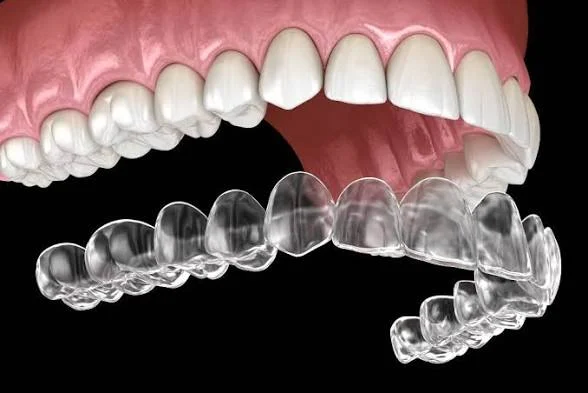
Orthodontic treatment changes with the problem. A child with an eruption or bite concern, an adult with relapse, and a teenager comparing braces with Invisalign need different information. A consultation connects the clinical examination and records to the right option rather than assuming one appliance fits everyone.
Use the guide to understand the options, then obtain an individualized examination before making a treatment decision. Ask what problem is being treated, which alternatives were considered, how long treatment may take, what costs are included and whether specialist orthodontic care should be considered.
Identify signs, timing and the reason an assessment may be useful without assuming treatment is needed.
Understand appliance choices, records, cost structure, insurance, timelines and patient responsibilities.
Build daily habits, report problems early and plan retention before active tooth movement ends.
Orthodontics manages tooth position, bite relationships and selected growth or eruption concerns. Treatment can include monitoring, braces, clear aligners, retainers or referral depending on the diagnosis.
Explore this topic →Braces work continuously. Clear aligners are removable and depend on prescribed wear. The better option is the one that fits the required tooth movement, bite goals and patient responsibilities.
Explore this topic →Many adults and teenagers can be considered for Invisalign, but gum health, bite complexity, required movements, wear reliability and other dental needs can change suitability.
Explore this topic →An early orthodontic assessment can identify eruption, crossbite, crowding, growth or habit concerns. Assessment does not automatically mean early treatment.
Explore this topic →Yes. Adult treatment can address relapse, crowding, spacing, bite concerns and preparation for restorative dentistry, provided dental and periodontal health support tooth movement.
Explore this topic →Complexity, treatment scope, records, monitoring, refinements, retainers, insurance and payment terms all affect the final financial plan. A consultation is needed for an individualized quote.
Explore this topic →A useful consultation connects your goals and clinical examination to records, alternatives, expected responsibilities, treatment length, financial terms and a clear next step.
Explore this topic →Braces, impacted teeth, significant jaw relationships, complex bite correction, growth concerns or other findings may justify assessment by a certified specialist in orthodontics.
Explore this topic →Participating practices can assess appropriate concerns and discuss services they actually provide. Treatment availability varies by office; braces, specialist orthodontic management or another pathway may require referral.
Explore this topic →Good orthodontic decisions begin with diagnosis, not a product preference. The central question is not whether Invisalign is popular. It is whether the planned tooth movements, bite goals, health of the teeth and gums, and the patient's ability to follow the plan make removable aligners a sound choice.
Participating practices can assess appropriate concerns and discuss services they actually provide. Treatment availability varies by office; braces, specialist orthodontic management or another pathway may require referral.
No. Monitoring, reassurance, dental treatment first, referral or delayed timing can all be appropriate outcomes.
Invisalign is a major focus because many patients are comparing clear-aligner treatment with other options. Braces and specialist referral are also explained when they may be more appropriate.
Retainers belong in the Keep it stage. A broken or poorly fitting retainer should be assessed before visible relapse becomes more difficult to correct.
External sources can change. Verify current regulatory, professional, manufacturer and local information at the linked publisher; these sources do not replace an individualized examination.
Presented by Blue Bird Dental, Hillside Dental and River City Dental. Last reviewed September 5, 2026. This content is educational and is not a substitute for an individualized examination, diagnosis or treatment recommendation. For pain, swelling, trauma, breathing difficulty, uncontrolled bleeding, infection or an appliance causing injury, contact a local dentist, treating provider or emergency service directly.