Dental history
Past restorations, gum treatment and missing teeth can change attachment bonding, force limits and treatment sequencing.
Adults often choose Invisalign because treatment can be less visible at work and removable for meals. The clinical plan still has to account for adult dental history and long-term stability.
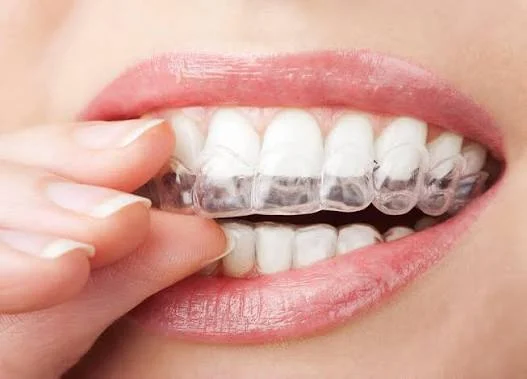
Crowns, bridges, implants, missing teeth, gum recession, bone loss, root canals and old orthodontic treatment can all affect planning. Adults may seek modest front-tooth alignment, comprehensive bite correction or space creation before restorative care, and those goals carry different scope.
Define the outcome precisely. Ask whether the plan is limited alignment or comprehensive treatment, how existing dental work changes attachments, whether other dentists must coordinate care and what retention will be required.
Past restorations, gum treatment and missing teeth can change attachment bonding, force limits and treatment sequencing.
Meetings and travel are manageable when aligner storage, cleaning and wear are planned instead of improvised.
Adults returning after old braces should treat retention as a permanent maintenance responsibility.
The Compare stage separates appearance from clinical fit. Invisalign is removable and discreet, but it depends on wear. Braces work continuously and may provide advantages for selected movements or for patients who do not want daily responsibility. The right comparison includes limits, not just benefits.
Invisalign cannot move an implant and does not cure periodontal disease. Work travel, frequent coffee, long meals and social routines can also make prescribed wear harder than expected.
Age alone does not exclude treatment. Dental health, bone support, medications, goals and ability to follow the plan are more important.
Sometimes, but bonding and planned movement around restorations require individual assessment.
Limited treatment may be possible, but the clinician must evaluate how front-tooth movement affects the bite and stability.
External sources can change. Verify current regulatory, professional, manufacturer and local information at the linked publisher; these sources do not replace an individualized examination.
Presented by Blue Bird Dental, Hillside Dental and River City Dental. Last reviewed September 5, 2026. This content is educational and is not a substitute for an individualized examination, diagnosis or treatment recommendation. For pain, swelling, trauma, breathing difficulty, uncontrolled bleeding, infection or an appliance causing injury, contact a local dentist, treating provider or emergency service directly.