Attachment function
Different shapes and locations create different force systems, so an attachment should correspond to a planned movement.
Attachments and interproximal reduction are planned tools that help aligners deliver specific movements and manage space. They are not cosmetic defects in the treatment.
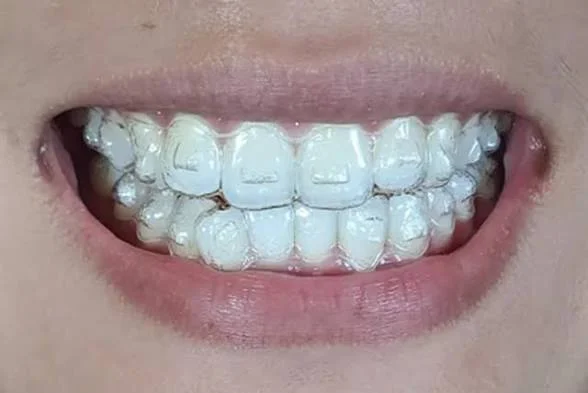
Attachments are small shapes of tooth-coloured composite bonded to selected teeth. They help the aligner grip and apply force for rotations, root movement, extrusion or other mechanics. Interproximal reduction removes a controlled amount of enamel between selected teeth to create space or improve contact shape.
Ask which movements require attachments, whether they are conventional or optimized, when they will be placed, how a chipped attachment is managed, exactly where IPR is planned and how the amount is measured.
Different shapes and locations create different force systems, so an attachment should correspond to a planned movement.
IPR can create small amounts of space without extraction, but the total and distribution must fit enamel and periodontal limits.
Templates, isolation, composite placement and verification affect whether attachments reproduce the intended design.
The Prepare stage turns interest into a plan. A meaningful consultation should connect the clinical exam, photographs, digital scans and any necessary radiographs to a written treatment recommendation. It should also explain responsibilities, monitoring, refinements, retention, insurance and what happens if the original plan changes.
Attachments can stain, chip or detach, and IPR is irreversible. These facts do not make the procedures inappropriate; they make informed consent and accurate execution important.
They are tooth-coloured but can be seen, especially on front teeth or when the aligner reflects light.
Enamel has no nerve, but patients may feel vibration or pressure. The clinician should protect the gums and explain the procedure.
Contact the treating office. Whether it must be replaced promptly depends on the tooth movement and stage; replacement usually uses the attachment template.
External sources can change. Verify current regulatory, professional, manufacturer and local information at the linked publisher; these sources do not replace an individualized examination.
Presented by Blue Bird Dental, Hillside Dental and River City Dental. Last reviewed September 5, 2026. This content is educational and is not a substitute for an individualized examination, diagnosis or treatment recommendation. For pain, swelling, trauma, breathing difficulty, uncontrolled bleeding, infection or an appliance causing injury, contact a local dentist, treating provider or emergency service directly.