Water
Plain cool water is generally the safest drink with aligners in, subject to individual instructions.
Invisalign removes most food restrictions because trays come out for meals. That freedom creates two responsibilities: protect the aligners and return them promptly.
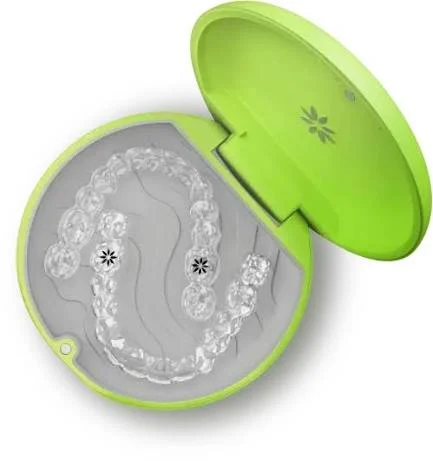
Eating with trays can crack, distort or stain them and trap food against teeth. Hot liquids can affect plastic. Sugary or acidic drinks beneath aligners can extend exposure to teeth, and coloured drinks can make the trays more visible.
Keep the case on the table or in a bag before the meal begins. Rinse the mouth and trays when full brushing is not immediately possible, then clean properly as soon as practical.
Plain cool water is generally the safest drink with aligners in, subject to individual instructions.
Fewer defined eating periods make daily wear easier than grazing across the day.
Trapping sugar or acid against teeth can undermine oral health even when the trays themselves still look clean.
The Live it stage is where outcomes are protected by routine. Aligners must be worn as directed, removed safely, cleaned sensibly and kept away from heat. Tracking problems, lost trays or unexpected discomfort should be reported rather than hidden until the next scheduled visit.
Constant snacking can make prescribed wear difficult because every snack adds removal, cleaning and reinsertion time. Wrapping trays in a napkin is a common route to accidental disposal.
Removing aligners is the safer general approach because coffee can stain and heat can affect the trays. Follow your clinician's instructions.
Remove aligners first. Gum can stick to or distort the trays.
Brush when practical and follow the office's hygiene instructions. At minimum, avoid trapping visible food and sugary residue beneath the trays.
External sources can change. Verify current regulatory, professional, manufacturer and local information at the linked publisher; these sources do not replace an individualized examination.
Presented by Blue Bird Dental, Hillside Dental and River City Dental. Last reviewed September 5, 2026. This content is educational and is not a substitute for an individualized examination, diagnosis or treatment recommendation. For pain, swelling, trauma, breathing difficulty, uncontrolled bleeding, infection or an appliance causing injury, contact a local dentist, treating provider or emergency service directly.